Buy reuni.eu ?
We are moving the project
reuni.eu .
Are you interested in purchasing the domain
reuni.eu ?
domain@kv-gmbh.de · 0541-91531010
Buy reuni.eu ?
What would happen if penguins were successfully settled alongside polar bears at the North Pole in the Arctic?
If penguins were successfully settled alongside polar bears at the North Pole in the Arctic, it would be highly unlikely as penguins are native to the Southern Hemisphere and polar bears are native to the Arctic. However, if this hypothetical scenario were to occur, it would likely lead to competition for resources such as food and nesting sites. The two species have different adaptations and behaviors, so it is possible that they would coexist without major conflict. However, the introduction of a non-native species to the Arctic could have unforeseen ecological consequences and disrupt the balance of the ecosystem. **
Do polar bears get goosebumps?
Polar bears do not get goosebumps like humans do. Goosebumps are caused by the contraction of tiny muscles at the base of hair follicles, which raises the hairs on our skin. This response is triggered by cold temperatures or strong emotions. Polar bears have a thick layer of insulating fur and a layer of fat under their skin, which helps them stay warm in their Arctic environment, so they do not need to rely on goosebumps for insulation. **

Similar search terms for Arctic Polar
Top-Angebote
Products related to Arctic Polar:
-
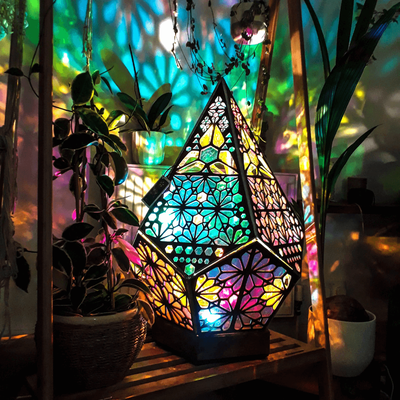
HomeDecorAndMore LLC Polar Star Wooden Floor Lamp Polar Star Wooden Floor LampBaby, you light up my world like nobody else. This song must be on your playlist, but you don’t need someone to light up your world because this polar star wooden floor lamp will do it for you. This bohemianinspired lamp will be an artistic and...39,97 $*Shipping: 0,00 $Secure redirect to the provider
-
Joolz Polar Footmuff - SilverOn cold days, the Joolz polar footmuff offers ultimate comfort. It's lined with baby-soft sheep's wool for winter-warm dreams. The outside fabric is waterrepellent and resists every snow flake, or rain drop. The lining is made of 100% wool which is...220,00 $*Shipping: 0,00 $Secure redirect to the provider
-
HomeDecorAndMore LLC Bohemian Polar Star Wooden Floor Lamp Bohemian Polar Star Wooden Floor LampHaving some time with your partner in a romantic vista refreshes your mind. But it’s hard to create such a panorama at your home, right Not at all, because we have this bohemian polar star wooden floor lamp. This light turns on in multicolored...39,97 $*Shipping: 0,00 $Secure redirect to the provider
-
7AM Enfant Polar Igloo, Small - BlackThe 7 AM Polar Igloo is a contemporary footmuff creating a snug, warm nest during the cold winter season. It features a microfleece-lined interior, faux down insulation, and a water-resistant exterior layer. In addition, this footmuff easily adapts...135,00 $*Shipping: 0,00 $Secure redirect to the provider


-
Desert or Arctic?
It ultimately depends on personal preference and what one is looking for in a landscape. Deserts are known for their extreme heat, vast sand dunes, and unique plant and animal life adapted to the harsh conditions. On the other hand, the Arctic offers a starkly different environment with freezing temperatures, icy landscapes, and a chance to witness the beauty of the northern lights. Both environments have their own appeal and offer unique experiences for those willing to explore them. **
-
Can you get sunburned in the Arctic?
Yes, you can get sunburned in the Arctic. Even though the Arctic region experiences long periods of darkness during the winter, the summer months can have extended periods of daylight with the sun staying above the horizon for 24 hours a day. This means that there is still a risk of getting sunburned due to prolonged exposure to the sun's UV rays, especially if proper sun protection measures are not taken. **
-
Why do polar substances dissolve in polar substances?
Polar substances dissolve in polar substances because they have similar intermolecular forces. Polar substances, such as water, have a partial positive and partial negative charge, which allows them to form hydrogen bonds with other polar molecules. When a polar substance is added to a polar solvent, the partial charges on the solvent molecules attract and surround the solute molecules, causing them to separate and disperse evenly throughout the solvent. This allows the polar solute to dissolve in the polar solvent, forming a homogeneous mixture. **
-
Where do polar day and polar night occur?
Polar day and polar night occur in the polar regions, specifically within the Arctic and Antarctic Circles. During polar day, the sun remains above the horizon for a continuous 24 hours, resulting in 24 hours of daylight. Conversely, during polar night, the sun remains below the horizon for a continuous 24 hours, resulting in 24 hours of darkness. These phenomena are caused by the tilt of the Earth's axis and its orbit around the sun. **

Where are the polar day and polar night?
The polar day and polar night occur in the polar regions near the North and South Poles. During the polar day, the sun does not set and remains visible for 24 hours a day, while during the polar night, the sun does not rise and the region experiences 24 hours of darkness. These phenomena are a result of the tilt of the Earth's axis and its orbit around the sun, causing extreme variations in daylight hours in these regions. **
What is a polar day and polar night?
A polar day is a period of 24 hours of continuous daylight that occurs in the polar regions during the summer months. This phenomenon happens because the Earth's axial tilt causes the sun to never fully set below the horizon at these latitudes during this time of year. On the other hand, a polar night is a period of 24 hours of continuous darkness that occurs in the polar regions during the winter months. This happens because the Earth's axial tilt causes the sun to never rise above the horizon at these latitudes during this time of year. **
Top-Angebote
Products related to Arctic Polar:
-
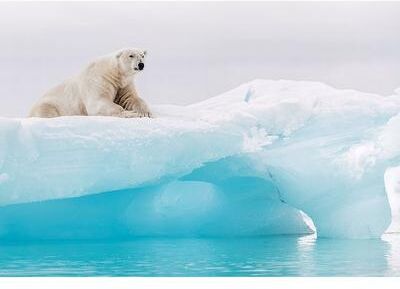
Komar Arctic Polar Bear Wall MuralEnter the chill zone with this cool photographic mural! A fuzzy white polar bear sits on top of a glacier in freezing blue waters. Arctic Polar Bear Wall Mural comes on 8 panels and measures 12-ft wide by 8-ft 3-in tall when assembled.41,39 $*Shipping: 0,00 $Secure redirect to the provider
-
7AM Enfant Blanket 212 Evolution Polar Footmuff - Black PolarThe sleek and contemporary Blanket 212 evolution keeps little ones toasty from head to toe on mountain hikes, chilly city streets, and everywhere in between. The smart design allows you to size it up or down using zippered length and width...225,00 $*Shipping: 0,00 $Secure redirect to the provider
-
HomeDecorAndMore LLC Polar Star Wooden Floor Lamp Polar Star Wooden Floor LampBaby, you light up my world like nobody else. This song must be on your playlist, but you don’t need someone to light up your world because this polar star wooden floor lamp will do it for you. This bohemianinspired lamp will be an artistic and...39,97 $*Shipping: 0,00 $Secure redirect to the provider
-
Joolz Polar Footmuff - SilverOn cold days, the Joolz polar footmuff offers ultimate comfort. It's lined with baby-soft sheep's wool for winter-warm dreams. The outside fabric is waterrepellent and resists every snow flake, or rain drop. The lining is made of 100% wool which is...220,00 $*Shipping: 0,00 $Secure redirect to the provider
-
What would happen if penguins were successfully settled alongside polar bears at the North Pole in the Arctic?
If penguins were successfully settled alongside polar bears at the North Pole in the Arctic, it would be highly unlikely as penguins are native to the Southern Hemisphere and polar bears are native to the Arctic. However, if this hypothetical scenario were to occur, it would likely lead to competition for resources such as food and nesting sites. The two species have different adaptations and behaviors, so it is possible that they would coexist without major conflict. However, the introduction of a non-native species to the Arctic could have unforeseen ecological consequences and disrupt the balance of the ecosystem. **
-
Do polar bears get goosebumps?
Polar bears do not get goosebumps like humans do. Goosebumps are caused by the contraction of tiny muscles at the base of hair follicles, which raises the hairs on our skin. This response is triggered by cold temperatures or strong emotions. Polar bears have a thick layer of insulating fur and a layer of fat under their skin, which helps them stay warm in their Arctic environment, so they do not need to rely on goosebumps for insulation. **
-
Desert or Arctic?
It ultimately depends on personal preference and what one is looking for in a landscape. Deserts are known for their extreme heat, vast sand dunes, and unique plant and animal life adapted to the harsh conditions. On the other hand, the Arctic offers a starkly different environment with freezing temperatures, icy landscapes, and a chance to witness the beauty of the northern lights. Both environments have their own appeal and offer unique experiences for those willing to explore them. **
-
Can you get sunburned in the Arctic?
Yes, you can get sunburned in the Arctic. Even though the Arctic region experiences long periods of darkness during the winter, the summer months can have extended periods of daylight with the sun staying above the horizon for 24 hours a day. This means that there is still a risk of getting sunburned due to prolonged exposure to the sun's UV rays, especially if proper sun protection measures are not taken. **
Similar search terms for Arctic Polar
-
HomeDecorAndMore LLC Bohemian Polar Star Wooden Floor Lamp Bohemian Polar Star Wooden Floor LampHaving some time with your partner in a romantic vista refreshes your mind. But it’s hard to create such a panorama at your home, right Not at all, because we have this bohemian polar star wooden floor lamp. This light turns on in multicolored...39,97 $*Shipping: 0,00 $Secure redirect to the provider
-
7AM Enfant Polar Igloo, Small - BlackThe 7 AM Polar Igloo is a contemporary footmuff creating a snug, warm nest during the cold winter season. It features a microfleece-lined interior, faux down insulation, and a water-resistant exterior layer. In addition, this footmuff easily adapts...135,00 $*Shipping: 0,00 $Secure redirect to the provider
-
BIDKhome Arven Decoration Figurine Polar BearThe Arven Decoration Figurine Polar Bear is a charming accent piece that brings a touch of winter elegance to any space. Crafted with attention to detail, it features a clean, modern design that complements both seasonal and year-round décor.295,50 $*Shipping: 0,00 $Secure redirect to the provider
-
John Murray New Scientist 3 Books Set (Why don't Penguins' Feet Freeze, Do Polar Bears get Lonely, Does anything eat Wasps)Why Don't Penguins' Feet Freeze?: And 114 Other Questions Ever wondered why we have fingerprints? Or whether bumblebees really defy the laws of physics when they fly? And why are eggs egg-shaped? And dogs' noses black? Why do our eyes water when we cut onions? Why doesn't superglue stick to the inside of its tube?Why Don't Penguins' Feet Freeze? is popular science at its most entertaining and enlightening. Do Polar Bears Get Lonely?: And 101 Other Intriguing Science Questions Why does garlic make your breath smell? How toothpaste makers get the stripes in toothpaste? Why do we get 'pins and needles'? Why are some people left-handed and other people right-handed? Can insects get fat? Do elephants sneeze? And do fish get thirsty? What causes cells to stick together in the human body rather than simply fall apart? And why are pears pear-shaped (and not apple-shaped)?This all-new and eagerly awaited selection of the best once again presents popular science at its most entertaining and enlightening. Does Anything Eat Wasps: And 101 Other Questions Every year, readers send in thousands of questions to New Scientist, the world's best-selling science weekly, in the hope that the answers to them will be given in the 'Last Word' column - regularly voted the most popular section of the magazine. Does Anything Eat Wasps? is a collection of the best that have appeared, including: Why can't we eat green potatoes? Why do airliners suddenly plummet? Does a compass work in space? Why do all the local dogs howl at emergency sirens? How can a tree grow out of a chimney stack? Why do bruises go through a range of colours? Why is the sea blue inside caves? Many seemingly simple questions are actually very complex to answer. And some that seem difficult have a very simple explanation.12,99 £*Shipping: 2,99 £Secure redirect to the provider
-
Why do polar substances dissolve in polar substances?
Polar substances dissolve in polar substances because they have similar intermolecular forces. Polar substances, such as water, have a partial positive and partial negative charge, which allows them to form hydrogen bonds with other polar molecules. When a polar substance is added to a polar solvent, the partial charges on the solvent molecules attract and surround the solute molecules, causing them to separate and disperse evenly throughout the solvent. This allows the polar solute to dissolve in the polar solvent, forming a homogeneous mixture. **
-
Where do polar day and polar night occur?
Polar day and polar night occur in the polar regions, specifically within the Arctic and Antarctic Circles. During polar day, the sun remains above the horizon for a continuous 24 hours, resulting in 24 hours of daylight. Conversely, during polar night, the sun remains below the horizon for a continuous 24 hours, resulting in 24 hours of darkness. These phenomena are caused by the tilt of the Earth's axis and its orbit around the sun. **
-
Where are the polar day and polar night?
The polar day and polar night occur in the polar regions near the North and South Poles. During the polar day, the sun does not set and remains visible for 24 hours a day, while during the polar night, the sun does not rise and the region experiences 24 hours of darkness. These phenomena are a result of the tilt of the Earth's axis and its orbit around the sun, causing extreme variations in daylight hours in these regions. **
-
What is a polar day and polar night?
A polar day is a period of 24 hours of continuous daylight that occurs in the polar regions during the summer months. This phenomenon happens because the Earth's axial tilt causes the sun to never fully set below the horizon at these latitudes during this time of year. On the other hand, a polar night is a period of 24 hours of continuous darkness that occurs in the polar regions during the winter months. This happens because the Earth's axial tilt causes the sun to never rise above the horizon at these latitudes during this time of year. **
* All prices are inclusive of VAT and, if applicable, plus shipping costs. The offer information is based on the details provided by the respective shop and is updated through automated processes. Real-time updates do not occur, so deviations can occur in individual cases. ** Note: Parts of this content were created by AI.